
Before the first Tiger climbs aboard a school bus, a lot has already happened behind the scenes to help make that ride a safe one.
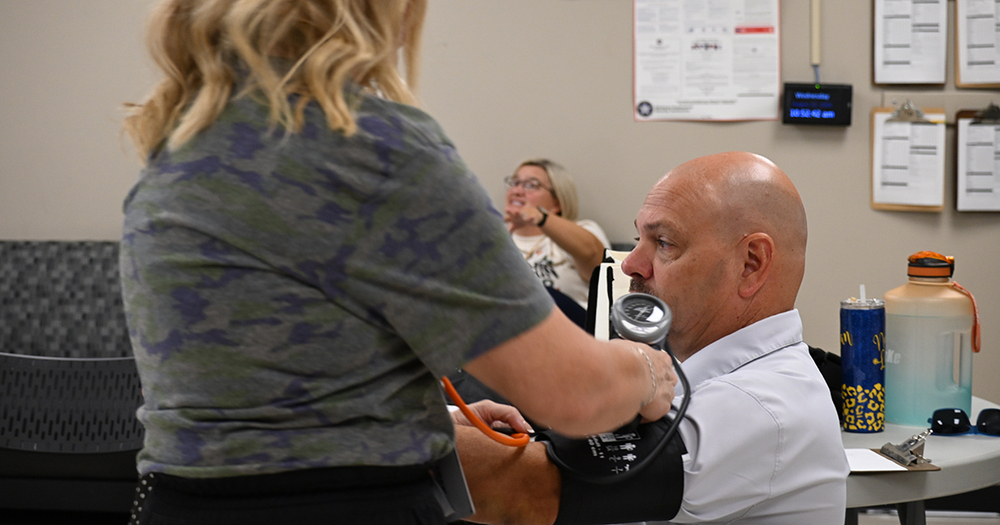
Pryor Public Schools' bus drivers prepare for the responsibility of transporting students by meeting required training, licensing, testing, and health standards. As the new school year begins, drivers have been completing their required physicals—one more part of the preparation that takes place before buses ever roll out of the Transportation Department.
But keeping students safe isn’t a job our bus drivers do alone.
From Transportation Department staff preparing buses and routes to families building safe habits at the bus stop and motorists slowing down around school buses, every person along the route has a part to play.
It Starts With the Driver
Bus drivers are among the first school employees many students see each morning and the last they see before arriving home in the afternoon.
Behind the wheel, drivers are responsible for much more than getting from one stop to the next. They are watching traffic, monitoring changing road conditions, approaching bus stops carefully, and keeping their attention on the students entrusted to their care.
Required driver physicals are one of the safeguards designed to help ensure drivers are prepared for those responsibilities.
And while drivers play a critical role, a safe ride depends on teamwork beyond the driver’s seat.
Families Are Part of the Safety Team
Safe habits begin before the bus arrives.
Families can help students start the year successfully by reviewing bus stop expectations and building a routine that gives children plenty of time to arrive at their assigned stop without rushing.
Help your Tiger:
Arrive at the assigned bus stop a few minutes early.
Wait safely away from the roadway and moving traffic.
Allow the bus to come to a complete stop before approaching.
Use the handrail when boarding and exiting.
Listen to the driver and follow bus expectations.
Younger students may also benefit from having an adult nearby as new routines take shape during the first days of school.
Motorists Have an Important Role
For drivers sharing the road with school buses, a few extra seconds of patience can make an important difference.
A school bus uses its lights to communicate what is happening:
Flashing yellow lights: The bus is preparing to stop. Motorists should slow down, allow additional space, and prepare to stop.
Flashing red lights and an extended stop arm: Students are loading or unloading. Motorists must stop and remain stopped until the red lights are turned off and the stop arm is retracted.
Drivers should always use extra caution when approaching a school bus or an area where students are waiting.
Morning schedules can feel rushed, especially during the opening weeks of school, but building a little extra time into the commute helps everyone share the road more safely.
Every Tiger Has a Part to Play
Students also help create a safe ride.
Be ready. Be seated. Be respectful. Listen to your driver.
Students should also remember that the area immediately surrounding a school bus can be difficult for a driver to see. They should stay a safe distance from the bus while waiting, cross only when directed by the driver, and never reach underneath a bus for a dropped item.
Keeping Tigers Safe Takes All of Us
A safe bus ride doesn’t happen because of one person.
It happens when trained drivers and transportation staff prepare for the day, students follow safety expectations, families reinforce good habits, school employees support safe arrivals and departures, and motorists slow down and stay alert.
From the physical completed before a driver gets behind the wheel to the parent reminding a child to wait safely at the stop, and the motorist who stops for flashing red lights, those small choices add up.
It takes a village to keep our Tigers safe—and every safe ride matters.